Trusted Hygiene Cleaning Services
Commercial hygiene experts located in Brampton help maintain food service establishments, food distribution facilities, bakeries, warehouses, and food service vehicles to sanitation standards. They treat high-touch surfaces, food-contact areas, equipment, floors, drains, restrooms, and preparation zones with certified chemicals, in correct dilution, and using documented contact periods.
Important Highlights
- Food safety cleaning experts in Brampton support restaurants, grocery departments, commissaries, warehouses, bakeries, schools, mobile vendors, and allergen-sensitive operations.
- High-touch surfaces, food-contact equipment, kitchens, floors, drains, restrooms, and storage areas are sanitized using compartmentalized approaches to prevent cross-contamination.
- Approved sanitizer dilution, suitability, and exposure duration are checked by approved contractors, with completion recorded via tests, audits, and correction logs.
- Effective cleaning plans factor in threat, throughput, transitions, accidents, and standards when assigning daily, weekly, and periodic tasks by zone.
- Suppliers should have HACCP, public-health understanding, WHMIS education, coverage, endorsements, coded tools, and assessment-ready cleaning paperwork.
Which Brampton Venues Need Food Safety Cleaning?
Any Brampton facility that handles, stores, prepares, packages, or serves food needs sanitation protocols. You must apply it if your business falls under health inspection, premises standards, or HACCP protocols. That requirement covers dining establishments, break rooms, food warehouses, market sections, butcheries, seafood areas, retail shops, and facility kitchens.
You also need compliant food safety cleaning in distribution centers, food processing plants, freezer facilities, commercial bakeries, educational nutrition programs, event spaces, and catering hubs. Mobile and seasonal operations count too, including catering trucks, festival vendors, and pop-up food booths. If your staff work with raw supplies, divide prepared foods, warm dishes, or organize allergen inventory, your facility needs written cleaning standards. In Brampton, sanitation isn't optional; it's part of statutory, business, and public health compliance.
Which Areas Do Brampton Cleaning Experts Cover?
Your operation needs cleaning professionals who sanitize all high-touch areas, kitchens, floors, and restrooms to maintain food safety compliance and public health standards. These zones receive attention due to their elevated cross-contamination potential, trip and slip dangers, and breaches of sanitation codes.
If you grasp what they sanitize, you'll successfully ensure your facility meets required operational and regulatory standards.
Critical High-Touch Surface Sterilization
structure sanitization frequency based on usage patterns, exposure levels, and facility operations.
check that cleaning was proper and document remedial steps if results come outside target ranges
Kitchens, Floors, and Restrooms
Professional cleaners in Brampton prioritize kitchens, floors, and restrooms given that each location involves specific contamination control, falling hazards, and health code requirements. In industrial kitchens, you need degreasing on cook lines, equipment exteriors, drains, prep surfaces, and splash zones to minimize contamination and pest pressure.
Floor care that is recorded should also be anticipated. Technicians scrub and extract buildup from tile grout, ceramic surfaces, and vinyl floors, then apply correct drying techniques so you can reduce slip incidents and maintain code-compliant conditions. They also address entryways where moisture and debris migrate indoors.
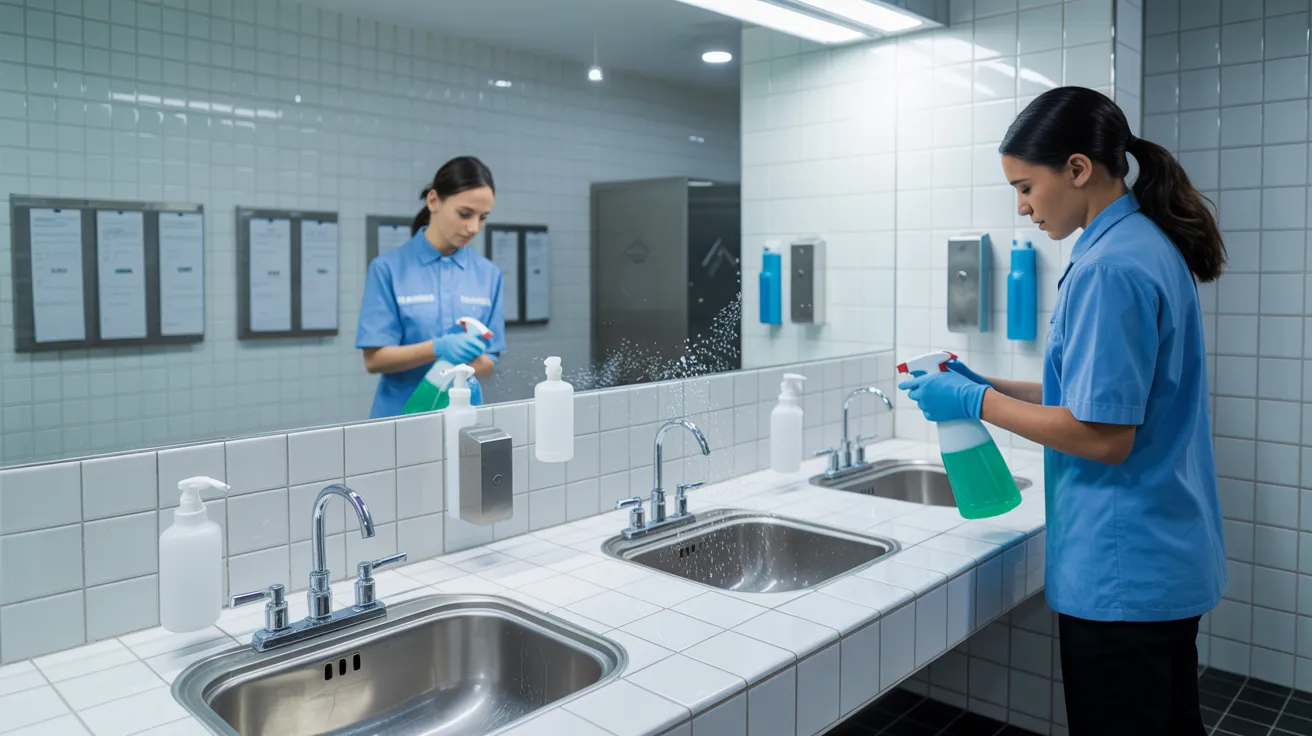
Restroom sanitation requires decontaminating touch areas, bathroom equipment, stall barriers, supply stations, and bins, replacing items and managing smells. They also maintain restaurant cleaning supply rooms where product storage, sink cleanliness, and drain systems impact daily sanitation standards and worker protection.
Why Food Safety Cleaning Matters in Brampton
In Brampton, you must copyright food-safe cleaning standards to meet regulatory standards and pass inspections. You also reduce bacterial spread through proper cleaning of food-preparation surfaces, appliances, and frequently-touched items. Most importantly, you safeguard public health by lowering the risk of foodborne illness in your facility.
Sanitary Standards Adherence
Because Brampton food establishments operate under stringent health requirements, food safety cleaning directly influences your ability to meet health code requirements, protect customers, and eliminate enforcement action. You must maintain sanitized food contact points, written maintenance records, safe chemical management, and documented employee protocols that comply with municipal and provincial inspection expectations.
During regulatory review of your operation, regulators assess whether your cleaning program facilitates safe storage, machinery hygiene, waste handling, and washroom maintenance. Detailed hygiene logs enable you to demonstrate due diligence during compliance reviews and prove that your operations are standardized, consistent, and overseen.
Cross-Contamination Prevention
Maintaining regulatory compliance copyrights on your power to stop cross-contamination during daily food handling and cleaning. You must separate raw ingredients from ready-to-eat foods, sanitize prep surfaces between tasks, and position cleaning agents away from food surfaces. Explicit protocols lower contamination threats and support consistent compliance during inspections.
You should establish allergen separation to prevent major allergens from touching shared surfaces, containers, or equipment. Use dedicated cutting boards, color-coded tools, and careful equipment identification so staff don't mix items during preparation or service. Require handwashing after handling raw meat, seafood, eggs, or allergen-containing products. Change cleaning rags frequently, and verify sanitizer strength with test strips. When staff members receive training on these procedures every shift, you create a cleaner, safer operation that meets Brampton's food safety expectations daily.
Public Health Assurance
If food safety cleaning declines, you don't merely risk a failed inspection—you amplify the risk of pathogenic contamination harming customers, staff, and the broader Brampton area. You also undermine your responsibility in safeguarding community wellness, especially in high-traffic food premises where pathogens travel quickly through surfaces, equipment, and touchpoints.
You require sanitation protocols that remove contaminants, disinfect correctly, and confirm effectiveness. This requires following contact periods, employing authorized sanitizers, documenting procedures, and training employees to meet health-unit expectations. These mechanisms support pathogen reduction by decreasing microbes before contaminating food or surfaces. Across Brampton, effective sanitation safeguards vulnerable groups, reduces disease potential, and demonstrates accountability. When you follow standards, you go beyond requirements—you substantially lower hazards and facilitate secure food handling throughout the area.
How Can Cleaning Practices Ensure Food Safety Compliance?
Strict sanitation practices promote food safety compliance by minimizing contamination hazards, preventing pathogen multiplication, and ensuring your facility complies with sanitation requirements under HACCP-based programs and public health regulations. You validate that food-contact surfaces stay visibly clean and microbiologically controlled, supporting documented preventive controls and inspection readiness.
Effective cleaning also reinforces allergen mitigation by removing residues that can trigger undeclared allergen exposure. by clearing residues that can trigger undeclared allergen exposure.
Finding When to Plan Commercial Cleaning
cleaning routines or between production runs wherever food contact surfaces, washrooms, and high-contact zones
Drains, vents, storage racks, and hard-to-reach equipment zones call for every week or every month service, guided by inspection data and sanitation logs.
Finding Quality Brampton Cleaning Experts: A Guide
Evaluate providers first by food-safe sanitation requirements rather than cost. You must ensure each provider understands CFIA, public health, and HACCP requirements for your business. Request insurance proof, WHMIS compliance, staff training documentation, and supervision methods. Check technician understanding of cross-contamination risks, chemical safety, and documented sanitation practices.
You should also assess business dependability and accountability. Request references from food facilities in Brampton, then examine turnaround periods, corrective actions, and communication standards. Confirm the company supports supplier audits and can present audit-ready records when regulators or third parties request evidence. Check whether equipment is maintained is performed, colour-coded tools are used appropriately, and site-specific hazards are recognized. A competent service protects compliance, product integrity, and your brand reputation.
What's covered in a Food Safety Cleaning Plan?
Establish a documented program that clarifies every sanitation task, standard, and responsibility ahead of production commencement. You should specify cleaning frequencies, approved chemicals, dilution rates, contact times, tools, and verification methods for each sector, surface, and equipment. Add pre-operational inspections, corrective actions, and employee training requirements.
Your plan should article also cover cross-contamination controls, waste handling, pest-prevention measures, and documented schedules for bathrooms, drainage systems, surfaces, and food-preparation zones. Explain how you'll keep raw and prepared foods apart, enable ingredient tracking, and maintain accurate allergen labeling through validated cleaning between product changes. You should assign accountability, keep signed records, and compare results against regulatory standards, HACCP controls, and customer requirements. When gaps appear, revise procedures immediately and retrain staff.
Frequently Asked Questions about the Plan
Are cleaning services available for overnight shifts in Brampton properties?
Yes, you can book cleaning services to manage overnight shifts in Brampton facilities. You'll coordinate nighttime cleaning around operational windows, security measures, and staffing requirements. Services generally map nightshift procedures to reduce disruption, ensure compliance, and record finished work. You should verify response times, management, lockout procedures, and disposal methods before beginning service. If you operate regulated spaces, you'll also want cleaning records that support inspections and compliance verification.
Will Brampton cleaning experts address hazardous incidents?
Yes, you can expect Brampton cleaning experts who provide emergency spill response solutions. They manage hazardous materials, assess risks, isolate affected areas, and begin swift cleanup to reduce exposure and prevent business interruption. You should verify arrival timeframes, training certifications, safety procedures, and waste management. If your facility must comply with industry standards, select a service that records events, follows compliant standards, and enables compliance verification.
Are green disinfectants suitable for surfaces contacting food?
Absolutely, green disinfectants can be suitable for food preparation areas when you choose products labeled food safe and meeting regulatory standards. You must confirm application timing, dilution ratios, and rinse protocols before use. Plant based formulas reduce chemical hazards, though you should gather demonstration of efficacy against target microorganisms. For ensuring residue-free conditions, stick to exact manufacturer guidelines and ensure your cleaning agent adheres to food sanitation requirements.
Will sanitation programs accommodate production fluctuations?
Yes, you can modify cleaning schedules for seasonal variations. You should modify schedules, staff levels, cleaning agents, and testing procedures to match seasonal patterns while sustaining compliance standards. You'll reduce production downtime by scheduling cleaning around production shifts, peak seasons, and equipment use patterns. You should additionally revise procedural documents, training, and environmental testing to capture seasonal hazards, emerging allergens, or increased soiling. Ongoing evaluations preserve your plan functional.
Are professional cleaning companies providing employee instruction on sanitation best practices?
Certainly, commercial cleaners train your employees on sanitation best practices. You secure staff training on correct chemical practices, contact times, contamination control, machine disassembly, and documentation procedures. They typically align instruction with HACCP, GMP, and CFIA or local public health requirements. Many also run sanitation audits to check standards, identify gaps, and reinforce corrective actions. This helps you maintain consistent procedures, pass inspections, and minimize foodborne pathogen risks every day.
Closing Remarks
Through engaging Brampton food safety and commercial cleaning specialists, you accomplish much beyond organizing—you keep your operation prepared for inspections and your procedures stay aligned with regulations. From production floors to kitchens, all clean areas and organized zones reduce contamination risks and prevent significant costs. Through scheduling maintenance at proper intervals and adhering to a comprehensive cleaning program, you ensure protection for your team, clients, and your good name. In a tightly controlled regulatory landscape, clean conditions cannot be considered optional—they are fundamental to success.